Patient Resources
Explore expert tips, helpful guides, and the latest hearing health insights from South Shore Hearing Center
How Hearing Aids Helped Improve Clarity and Connection: Jennifer’s Story
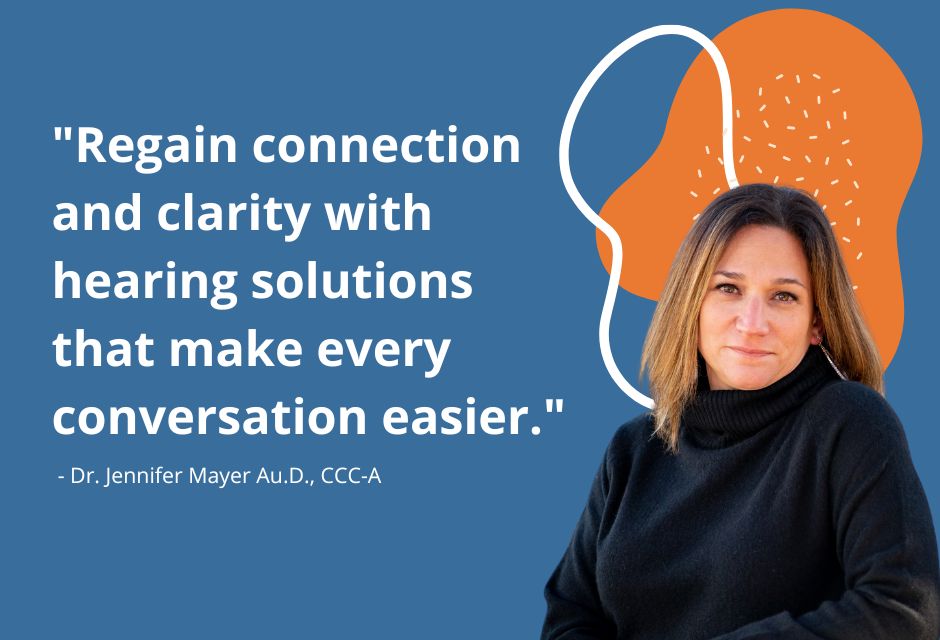
We often meet patients who feel mentally drained long before hearing loss appears clearly on a test. Jennifer was one of them. For years, she struggled to follow conversations because her brain had difficulty processing sound, even when people around her assumed she could hear just fine.
“I’ve had trouble understanding people for years because of auditory processing,” she shares.
To keep up, Jennifer began relying on visual cues, watching lips closely to piece together speech. While this helped her get by, it demanded constant focus and left her feeling tired and disconnected.
Everyday conversations felt exhausting, and she sometimes avoided group settings to reduce frustration. Even casual chats in the grocery store or at community events became overwhelming, making her feel left out of simple daily interactions.
After her third hearing exam, the results showed hearing loss alongside her long-standing auditory processing challenges. That moment brought both concern and relief. Finally, there was an explanation for why understanding speech had felt so difficult for so long.
Hearing is not just about volume – it is about clarity and timing. When the ears and brain are out of sync, specialized care becomes essential. Proper support can transform everyday listening and help patients feel connected again.
Navigating the Insurance Maze
Once hearing loss was identified, Jennifer faced another stress many patients know well: insurance coverage. Finding a provider who accepts a specific plan can feel overwhelming, especially when hearing aids are involved.
“I was concerned about my insurance covering the hearing aids,” she said.
At South Shore Hearing Center, we understand how administrative questions can add anxiety to an already emotional process. From the start, we ensured Jennifer felt supported and informed. We explained her options, confirmed coverage, and guided her through the steps with patience.
By helping her navigate insurance details clearly, we allowed Jennifer to focus on her health instead of paperwork. That support helped lower the barrier between realizing she needed help and actually receiving it.
She also learned ways to maximize her benefits and keep follow-up visits simple, giving her added confidence and peace of mind. Knowing that her insurance questions were fully addressed made the whole journey feel less stressful and more achievable.
A Partnership Built on Trust and Humor For Jennifer, trust was essential in moving forward with hearing care. She quickly connected with her audiologist and felt comfortable sharing frustrations and goals.
“My audiologist is very personable, someone I can trust to help me figure out what I need,” Jennifer shared.
Appointments were not rigid or intimidating. “I enjoyed joking around with her,” she said. Feeling relaxed allowed Jennifer to ask questions, express concerns, and take an active role in choosing hearing aids that would support real-world listening needs.
Together, we focused on speech clarity in environments where auditory processing difficulties are most noticeable. Background noise, multiple speakers, and group settings were all considered. Small adjustments to her hearing aids helped her confidently navigate social and professional environments.
Jennifer noticed that even in her local coffee shop, she could now follow conversations that previously left her frustrated. This personalized approach ensured her hearing aids worked for her life, not just her hearing test results, and made the entire process supportive and human-centered.
Reconnecting at the Table and the Office
The impact of hearing aids quickly extended beyond the clinic. At home, family dinners became easier and more enjoyable.
“Now, I can understand my family at the dinner table without them having to repeat everything ten times,” Jennifer said.
Work settings improved as well. Lunchroom conversations with coworkers, once overwhelming due to background noise and overlapping voices, became engaging and manageable.
“I can have conversations with my coworkers during lunch,” she shared.
Most importantly, Jennifer noticed an emotional shift. “I feel less isolated than before I had hearing aids,” she noted.
She could laugh, participate, and connect without mental strain. Proper hearing care restores more than hearing – it restores confidence, inclusion, and joy in everyday interactions.
Even small gatherings with friends felt easier and more fulfilling, giving Jennifer a renewed sense of connection to her community.
It Is Worth the Step
Jennifer’s conclusion is simple and powerful: “It’s worth having hearing aids.”
Many people delay hearing care, especially when challenges are dismissed or misunderstood. Jennifer’s story shows that clarity and connection are achievable, even after years of struggle.
If you rely on lip reading, avoid group conversations, or feel exhausted by listening, it may be time to explore your options. Even small improvements can make a noticeable difference in personal and professional life.
Each step forward can restore confidence, reduce fatigue, and allow you to participate fully in everyday moments – whether that’s a family meal, a meeting at work, or a local community gathering.
At South Shore Hearing Center, we listen, guide, and support you through each step with care that feels personal, expert, and friendly. Don’t let listening fatigue or lip reading hold you back any longer.
Our friendly team will help you find the hearing solution that fits your life. Schedule your consultation today and reconnect with every conversation.
FAQs
Can hearing aids help with auditory processing difficulties? Hearing aids can improve speech clarity, reducing listening effort for people with processing challenges.
Are hearing aids useful in busy or noisy places? Many modern hearing aids are designed to support understanding speech in environments with background noise.
Do hearing aids only help if hearing loss is significant? Some people notice benefits when hearing loss and processing difficulties overlap, even if the loss is mild.
Source
https://www.nidcd.nih.gov/health/auditory-processing-disorder
This source explains how auditory processing difficulties affect speech understanding and listening clarity.

Search
Request a Callback
Many people believe that the solution to a hearing loss is a prescription hearing aid. In reality, the path to better hearing is a varied and complex journey