
Patient Resources
Explore expert tips, helpful guides, and the latest hearing health insights from South Shore Hearing Center
Do I Really Need A Hearing Check? Why People Avoid Health Outreach
Recently, I attended a health fair at Canton High School as a representative of South Shore Hearing Center. I’ve always loved participating in these events; educating people and talking about all things hearing-related is truly rewarding for me. But during the fair, I noticed that many people walked by my table and said, “Oh, I don’t need you yet.”
That reaction made me wonder: what are people really afraid of when it comes to talking about their ears and hearing? Why is there so much hesitation to even start the conversation?
Through my outreach in the communities we serve, I’ve seen that while some people are proactive about getting their hearing checked, many others shy away from it altogether. It can be a little disheartening as an audiologist, but I truly believe there’s nothing wrong with talking about your ears and your hearing.
I wanted to get to the bottom of this reluctance and dispel the myths that keep people from prioritizing their hearing health.
There’s so much to learn, and so many misconceptions to clear up. It’s important to have your hearing checked, and there’s no reason to be afraid of taking that first step.
“I’m Not Old Enough to Worry About My Hearing Yet.”
You might be surprised to learn that hearing loss isn’t just something that happens to older adults.
In fact, hearing changes can occur at any age, often so gradually that you don’t even notice them at first. If you’ve ever thought, “I’m too young to worry about my hearing,” you’re not the only one, but you might be missing out on important information about your overall health.
You benefit from regular hearing assessments, no matter your age. Early detection of hearing changes allows you to take proactive steps to protect your hearing for years to come.
Hearing loss can be caused by many factors, including noise exposure, genetics, certain medications, and even common illnesses. By getting your hearing checked, you can rest assured that you’re staying ahead of potential issues before they become harder to ignore.
“My Hearing Isn’t That Bad; I Can Manage Just Fine.”
It’s easy to brush off minor difficulties, especially if you feel like you’re still getting by in most situations.
Maybe you find yourself asking people to repeat themselves a little more often, or you need to turn up the TV volume just a notch higher than before. You might think, “It’s not that bad, I can manage.”
But here’s the truth: even mild hearing loss can have a significant impact on your quality of life.
When you ignore early signs, you risk missing out on important moments with your loved ones, and you may find yourself withdrawing from or avoiding social gatherings. Over time, unmanaged hearing challenges can lead to feelings of isolation, frustration, and even depression.
Several research queries have found a connection between depression and hearing challenges. The number one way to address both at once? Getting your hearing checked!
You benefit from knowing exactly where your hearing stands. A hearing assessment gives you a clear picture of your hearing health and empowers you to make informed decisions.
If you do need support, today’s hearing solutions are more discreet, comfortable, and effective than ever before. You can rest assured that taking action now will help you stay connected to the people and activities you love.
“I Only Struggle with My Hearing in Loud or Busy Situations, I’m Okay at Home.”
Many people notice that their hearing challenges are most apparent in noisy environments: restaurants, parties, or crowded events. You might think, “I’m just fine at home, so it’s not a big deal.”
However, difficulty hearing in complex listening situations is often one of the earliest signs of hearing changes. You benefit from understanding how your ears are processing sound in all environments, not just the quiet ones.
Your brain works hard to filter out background noise and focus on speech, but when your hearing isn’t as sharp as it could be, that task becomes much more difficult. Over time, this extra effort can lead to listening fatigue and even cognitive strain.
A hearing assessment can pinpoint exactly where you’re experiencing challenges and help you find solutions tailored to your lifestyle. You can rest assured that you’re not just “getting by” but that you’re thriving in every situation.
Why Hearing Health Matters for Your Whole Body
Hearing is about so much more than your ears. When you take care of your hearing, you’re also supporting your cognitive abilities, balance, and overall wellness.
Research shows that untreated hearing loss is linked to an increased risk of cognitive decline and dementia. Your brain relies on sound input to stay sharp and engaged, and when that input is reduced, your cognitive health can suffer.
Just like annual physicals or eye exams, regular hearing checks help you keep tabs on your whole-body wellness. Early detection of hearing changes allows you to address them before they impact your memory, focus, or balance.
Additionally, your sense of balance is closely tied to your inner ear. If you’ve ever felt unsteady or experienced dizziness, a hearing assessment can provide valuable insights. By staying proactive about your hearing health, you’re taking an important step toward maintaining your independence and quality of life.
Take Charge of Your Hearing Health Today
You deserve to enjoy every conversation, every laugh, and every special moment without struggling to hear.
Booking a hearing assessment is a simple, painless way to gain peace of mind and take control of your health. At South Shore Hearing Center, you can rest assured that you’ll receive empathetic, expert care tailored to your unique needs.
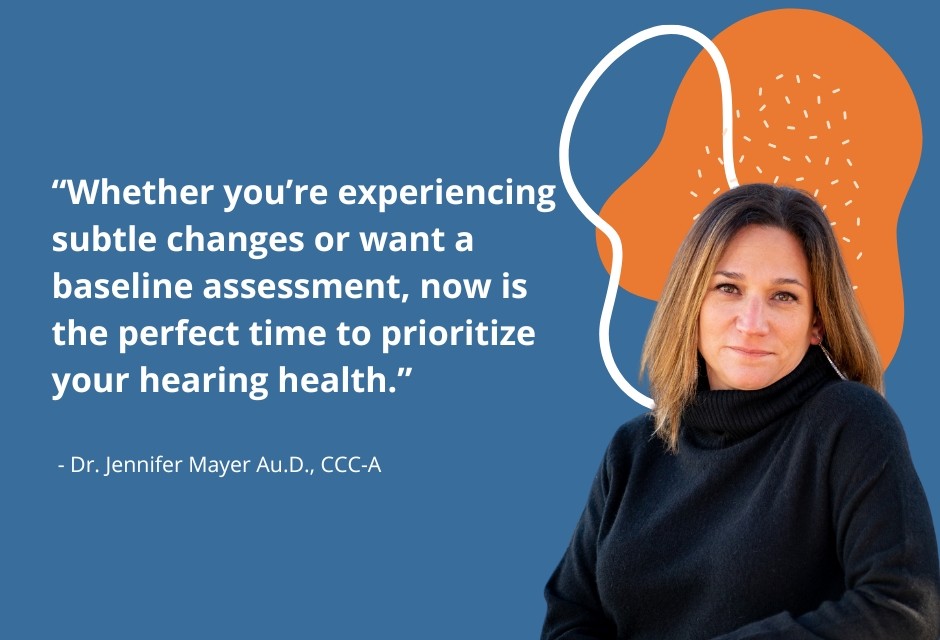
You benefit from the guidance and compassionate support from our team, dedicated to helping you understand your hearing and find solutions that fit your lifestyle. Whether you’re experiencing subtle changes or want a baseline assessment, now is the perfect time to prioritize your hearing health.
So, to answer the original question of “Do I really need a hearing check?” My answer is yes! If you’re struggling with your hearing or want to know what your hearing health levels are, you’re encouraged to come and see us for a non-invasive and expedient hearing assessment.
Get in touch with our team today to take the first step toward better hearing and better overall wellness.
Frequently Asked Questions
1. How often should I get my hearing checked?
You benefit from having your hearing evaluated at least once every three years if you’re under 50 and annually if you’re over 50 or have risk factors like noise exposure or a family history of hearing loss.
Regular assessments help catch changes early, so you can address them before they affect your quality of life.
2. Is a hearing assessment painful or invasive?
Professional hearing evaluations are designed to be comfortable, streamlined, and non-invasive.
Your audiologist will ask about your medical history, perform a visual examination of your ears, and conduct a series of listening tests to determine how well you hear different sounds and speech. You’ll receive clear, easy-to-understand results and recommendations tailored to your needs.
3. Will a hearing test show if my balance issues are related to my ears?
Yes, your hearing and balance are closely connected. If you’re experiencing dizziness or unsteadiness, a comprehensive hearing assessment can help identify if your inner ear is contributing to your symptoms.
Your audiologist can then recommend next steps to support your balance and overall health.
Sources
American Academy of Audiology – This link from the AAA provides comprehensive information about the connection between depression and hearing challenges, and emphasizes the importance of getting your hearing evaluated.
National Library of Medicine – This review of scientific research provides links between hearing challenges and dementia, and how early intervention in your hearing health can help slow escalation of dementia symptoms.

Search
Request a Callback
Many people believe that the solution to a hearing loss is a prescription hearing aid. In reality, the path to better hearing is a varied and complex journey